
A pet grooming course builds job-ready skills through thorough training in essential grooming techniques like bathing, brushing, and nail trimming. It teaches the recognition of pet behavior and proper handling to minimize stress and injury pet grooming academy. Hygiene and safety protocols guarantee a clean work environment and protect both groomer and animal. Practical hands-on experience refines skills in real settings. Courses also prepare students for certification and employment success. Exploring these areas reveals how grooming expertise is fully developed.
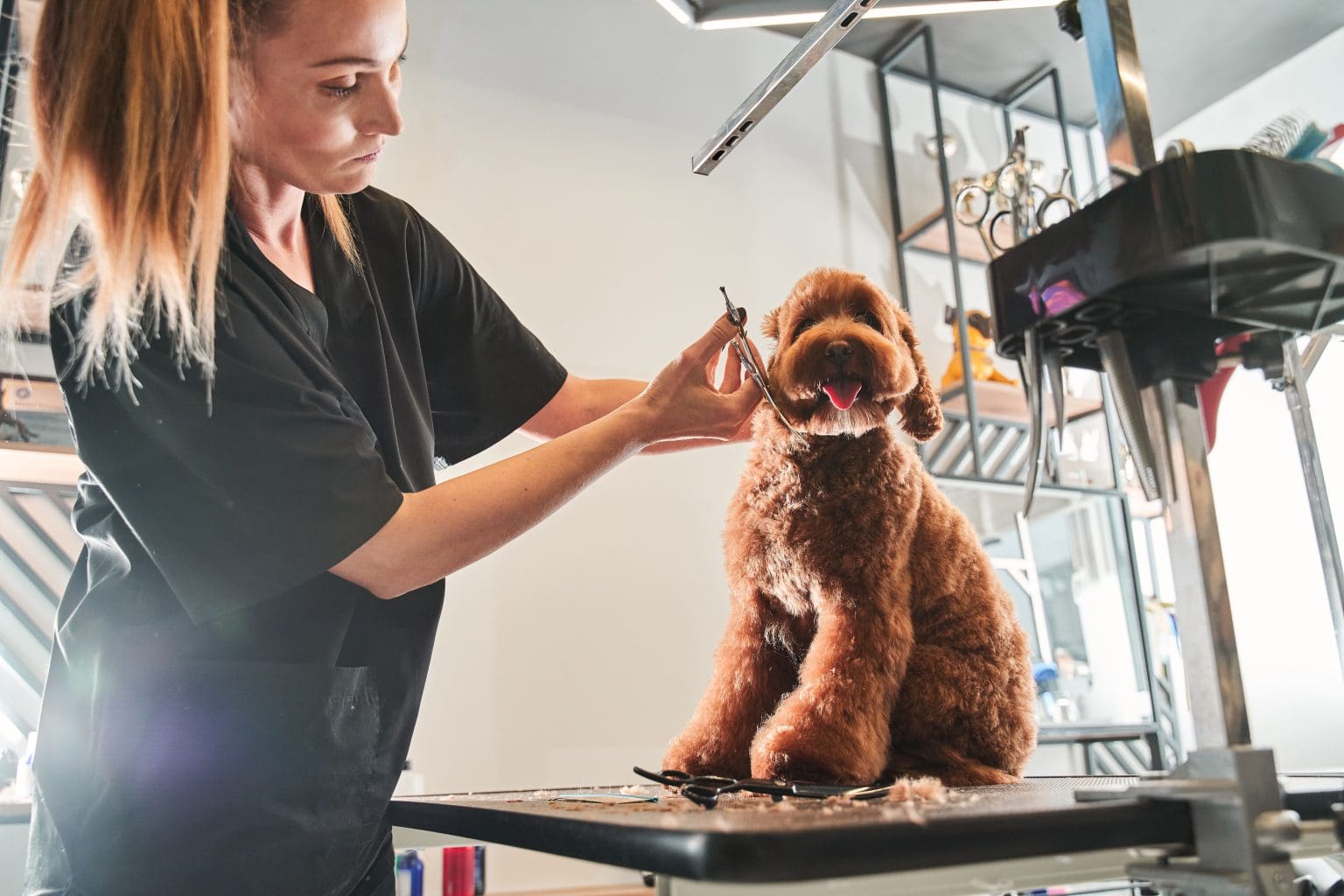
Essential Grooming Techniques Taught in Courses
Although pet grooming courses vary in structure, they consistently cover fundamental techniques such as bathing, brushing, nail trimming https://cosmos.petuniverse.com/, ear cleaning, and coat clipping.
These foundational skills equip learners to handle a variety of pets with confidence and efficiency. Bathing techniques focus on appropriate water temperature and gentle cleaning to guarantee comfort. Brushing removes tangles and loose hair, promoting healthy coats. Nail trimming is taught with precision to avoid injury while maintaining a pet’s mobility.
Ear cleaning prevents infections through careful removal of debris. Coat clipping introduces methods to shape and maintain different fur types.
Mastery of these essential techniques provides the freedom to deliver professional grooming services, opening pathways for independent work or employment in diverse settings.
Understanding Pet Behavior and Handling
Since effective grooming depends not only on technical skills but also on the ability to interpret and respond to animal behavior, understanding pet behavior and handling is an essential component of pet grooming courses.
These courses teach students to recognize body language and emotional cues, enabling them to approach pets calmly and confidently. Proper handling techniques reduce stress for animals and minimize risks of injury for both groomer and pet.
Hygiene and Safety Practices for Groomers
Maintaining strict hygiene and safety practices is fundamental in pet grooming to protect both groomers and animals from potential health hazards.
A well-structured pet grooming course emphasizes cleanliness, including regular sanitization of tools, grooming stations, and hands. Proper handling of grooming equipment minimizes risks of injury or infection. Groomers learn to identify signs of illness or distress in pets, ensuring timely intervention.
Personal protective gear, such as gloves and aprons, further safeguards against zoonotic diseases. Additionally, protocols for safe animal restraint reduce stress and prevent accidents.
Adhering to these standards fosters a secure environment, enabling groomers to perform their duties confidently and responsibly. Mastery of hygiene and safety is essential for maintaining professional integrity and promoting overall well-being in the grooming workspace.

Hands-On Experience Through Practical Training
Building on the foundation of hygiene and safety, practical training offers groomers the opportunity to apply theoretical knowledge in real-world settings.
This hands-on experience enables students to develop confidence and refine their techniques while working directly with pets. By engaging in various grooming tasks—such as bathing, trimming, and styling—trainees learn to adapt to different animal temperaments and coat types.
Practical sessions also foster problem-solving skills, encouraging groomers to handle unexpected challenges independently. This approach empowers individuals to gain autonomy and master essential skills that textbooks alone cannot provide.
Ultimately, practical training bridges the gap between classroom learning and professional practice, equipping aspiring groomers with the expertise and freedom to navigate diverse grooming scenarios effectively.
Preparing for Professional Certification and Employment
Before entering the workforce, aspiring pet groomers must focus on obtaining professional certification and preparing for employment. Certification validates skills, boosting credibility and opening doors to diverse job opportunities.
A pet grooming course typically provides guidance on certification requirements, exam preparation, and portfolio development, ensuring candidates meet industry standards. Additionally, courses often include job readiness training, such as resume building, interview techniques, and networking strategies.
This thorough approach empowers graduates to confidently pursue careers that offer independence and flexibility. By aligning skill mastery with professional credentials and employment readiness, individuals can secure positions that support their desire for autonomy and financial stability.
Ultimately, preparing for certification and employment transforms training into tangible career freedom within the pet grooming industry.
Conclusion
A pet grooming course effectively equips individuals with essential grooming techniques, a detailed understanding of pet behavior, and vital hygiene and safety practices. Through hands-on practical training, participants develop confidence and competence in handling various animals. Additionally, the course prepares students for professional certification, enhancing their employment prospects. Overall, such programs build extensive, job-ready grooming skills that meet industry standards and support successful careers in pet grooming.
…