
E-Invoicing has been rapidly gaining traction in Malaysia, offering businesses a myriad of benefits in terms of efficiency and cost-effectiveness. However, with the increasing reliance on digital solutions asperts best erp system malaysia sap business one invoice malaysia e invoicing malaysia, concerns around data security and compliance have become more pronounced. As the landscape of e-invoicing continues to evolve, businesses must stay informed about the latest trends and strategies to navigate this digital transformation successfully. How can businesses adapt to these changes and ensure their e-invoicing practices remain secure and compliant? The answer lies in a proactive approach that integrates technology, compliance, and innovation seamlessly.
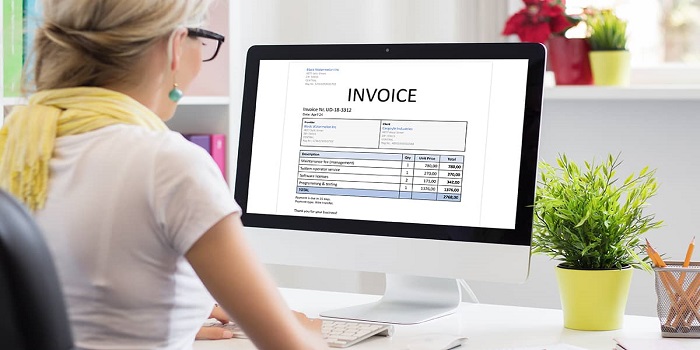
Advantages of E-Invoicing in Malaysia
The implementation of e-invoicing in Malaysia has yielded significant efficiency gains for businesses across various sectors. By transitioning from traditional paper-based systems to electronic invoicing, companies have experienced streamlined processes, reduced errors, and faster payment cycles.
E-invoicing has enabled businesses to automate their invoicing processes, leading to cost savings and improved cash flow management. Additionally, the digital nature of e-invoices enhances data accuracy and security, reducing the risks associated with manual handling and processing.
With the adoption of e-invoicing, Malaysia is paving the way for a more efficient and digitally-driven business environment https://aspert.com.my/e-invoice/, offering businesses the opportunity to operate with greater speed and agility in today’s competitive landscape.
Implementation Process for Businesses
Transitioning to e-invoicing in Malaysia requires a structured approach. It starts with setting up the system and ensuring all employees are proficient in using it. The implementation process for businesses necessitates a comprehensive strategy. This includes training programs to enhance the understanding and utilization of the e-invoicing system effectively.
Setup E-Invoicing System
Efficiently implementing an e-invoicing system within a business requires meticulous planning and strategic execution. Initially, businesses should assess their current invoicing processes, identify key stakeholders, and set clear objectives for the e-invoicing system.
Choosing the right e-invoicing software that aligns with the company’s needs is crucial. It’s essential to customize the system to meet specific business requirements, integrate it with existing accounting software, and ensure compliance with Malaysian e-invoicing regulations.
Testing the system thoroughly before full implementation is advisable to iron out any potential issues. Additionally, providing adequate training and support to employees will facilitate a smooth transition to the new e-invoicing system, enhancing overall efficiency and productivity in the long run.
Train Employees Effectively
To ensure a successful implementation of the e-invoicing system, businesses must prioritize comprehensive training for employees on its usage and functionalities.
Training sessions should cover the basics of navigating the e-invoicing platform, creating and sending invoices electronically, managing digital records, and troubleshooting common issues.
Additionally, employees should be educated on the security protocols in place to safeguard sensitive financial information and ensure compliance with data protection regulations.
Providing hands-on practice opportunities and creating user guides or manuals can further enhance the learning process.
Continuous support and refresher training sessions may also be beneficial to reinforce understanding and address any evolving challenges that arise during the transition to e-invoicing.
Compliance Requirements for E-Invoicing
In the realm of Malaysia’s e-invoicing landscape, businesses must adhere to specific compliance requirements to ensure seamless operations.
This includes conforming to legal e-invoice standards set by regulatory bodies, implementing robust data security measures to safeguard sensitive information, and establishing effective auditing and record-keeping practices to maintain transparency and accountability.
Compliance with these essential elements is paramount for businesses looking to leverage the benefits of e-invoicing while staying in line with regulatory mandates.

Legal E-Invoice Standards
Compliance with legal e-invoice standards is crucial for businesses operating in Malaysia to ensure adherence to regulatory requirements and facilitate seamless electronic invoicing processes.
In Malaysia, e-invoices must comply with the standards set by the Royal Malaysian Customs Department (RMCD). These standards include requirements such as the use of digital signatures for authenticity, structured data formats for consistency, and compliance with the Goods and Services Tax (GST) Act.
Failure to meet these standards can result in penalties and non-compliance issues. By following the legal e-invoice standards, businesses can not only streamline their invoicing processes but also ensure that their electronic transactions are legally recognized and accepted in Malaysia’s business environment.
Data Security Measures
Implementing robust data security measures is imperative for businesses engaged in e-invoicing to meet compliance requirements and safeguard sensitive information. In Malaysia, e-invoicing data security measures must adhere to the Personal Data Protection Act 2010 (PDPA) to ensure the confidentiality and integrity of personal data.
Encryption technologies, secure networks, access controls, and regular security audits are essential components to safeguard against unauthorized access or data breaches. Additionally, businesses must implement measures to authenticate the integrity of e-invoices, such as digital signatures, to ensure the validity of transactions.
Compliance with data security regulations not only protects sensitive information but also builds trust with customers and partners in the e-invoicing ecosystem.
Auditing and Record-Keeping
To ensure adherence to regulatory standards and operational transparency, businesses engaged in e-invoicing must establish robust auditing and record-keeping practices.
Auditing in e-invoicing involves verifying the accuracy and reliability of electronic invoices, ensuring compliance with tax laws, and detecting any fraudulent activities.
Businesses need to maintain detailed records of all e-invoices sent and received, including information such as invoice numbers, dates, amounts, and parties involved. These records should be securely stored and easily accessible for audit purposes.
Adhering to these compliance requirements helps businesses build trust with authorities, prevents financial discrepancies, and enhances overall efficiency in managing invoicing processes. By prioritizing auditing and record-keeping, businesses can demonstrate integrity and accountability in their e-invoicing practices.
Cost Savings and Efficiency Gains
How do businesses in Malaysia achieve significant cost savings and efficiency gains through the adoption of e-invoicing technology?
E-invoicing streamlines the invoicing process, reducing manual errors and the need for paper-based documentation. This automation leads to quicker invoice processing, faster payment cycles, and lower administrative costs.
By digitizing invoices, businesses can also save on printing, postage, and storage expenses associated with traditional paper invoices.
Additionally, e-invoicing improves transparency and visibility into financial transactions, enabling better cash flow management and decision-making.
Integration With Accounting Systems
Businesses in Malaysia leverage e-invoicing technology to seamlessly integrate with their accounting systems, enhancing the efficiency and accuracy of financial record-keeping processes. By integrating e-invoicing with accounting systems, organizations can automate the invoicing process, reduce manual data entry errors, and streamline reconciliation tasks.
This integration allows for real-time data synchronization between invoicing and accounting platforms, ensuring that financial information is always up to date. Moreover, it enables businesses to generate reports quickly, track payments efficiently, and improve overall financial visibility.
The seamless integration of e-invoicing with accounting systems not only saves time but also minimizes the risk of human errors, leading to enhanced productivity and better decision-making based on accurate financial data.
Security Measures for E-Invoicing
Implementing robust security measures is essential in safeguarding the integrity and confidentiality of e-invoicing transactions in Malaysia. Encryption techniques play a vital role in securing e-invoices during transmission and storage.
Secure Socket Layer (SSL) encryption is commonly used to protect data in transit, ensuring that sensitive information remains confidential. Moreover, implementing multi-factor authentication adds an extra layer of security by requiring users to provide two or more forms of verification before accessing the e-invoicing system.
Regular security audits, penetration testing, and software updates are also crucial to identifying and addressing potential vulnerabilities. By adhering to these security measures, businesses can mitigate the risks associated with e-invoicing and ensure the safety of their financial transactions.
Impact on Small and Medium Enterprises (SMEs)
The adoption of e-invoicing in Malaysia is significantly impacting Small and Medium Enterprises (SMEs) by revolutionizing their financial transaction processes and operational efficiency. SMEs are experiencing streamlined invoicing procedures, reduced paperwork, and faster payment cycles.
With e-invoicing, these businesses can benefit from improved accuracy in billing, reduced errors, and enhanced transparency in financial transactions. Additionally, SMEs can save on costs associated with traditional paper-based invoicing, such as printing and postage expenses.
The automation provided by e-invoicing allows SMEs to allocate resources more efficiently, focus on core business activities, and ultimately enhance their competitiveness in the market. As SMEs continue to embrace e-invoicing, they are poised to experience further growth and sustainability in the evolving business landscape.
Future Trends in E-Invoicing Adoption
The evolution of e-invoicing in Malaysia is paving the way for a paradigm shift in financial transaction processes, with a focus on scalability and adaptability to emerging technological advancements.
Future trends in e-invoicing adoption are likely to see increased integration with artificial intelligence (AI) and machine learning for enhanced data analytics and automated invoice processing.
Blockchain technology may also play a significant role in ensuring the security and immutability of e-invoices, reducing the risk of fraud and errors.
Furthermore, there is a growing emphasis on interoperability between different e-invoicing platforms to facilitate seamless communication between businesses.
These trends indicate a move towards a more efficient, transparent, and interconnected e-invoicing ecosystem in Malaysia.
Conclusion
In conclusion, E-Invoicing in Malaysia offers significant advantages such as streamlined processes, cost savings, and improved data accuracy and security.
The implementation process involves setting up the system, selecting appropriate software, and ensuring compliance with legal standards. Integration with accounting systems enhances efficiency, while security measures protect sensitive information.
The impact on SMEs is notable, and future trends suggest continued growth in E-Invoicing adoption in Malaysia’s business environment.
…