
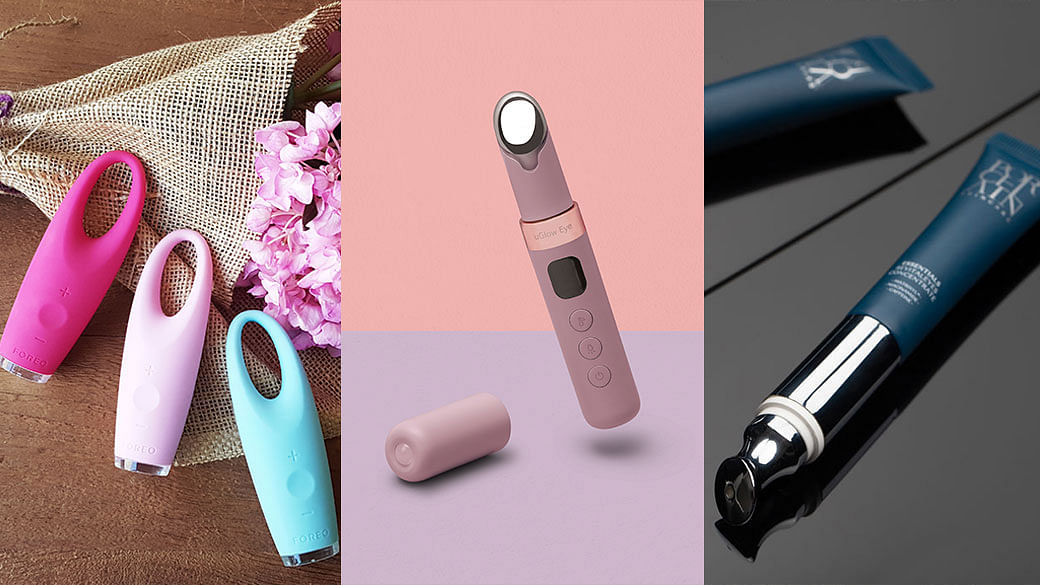
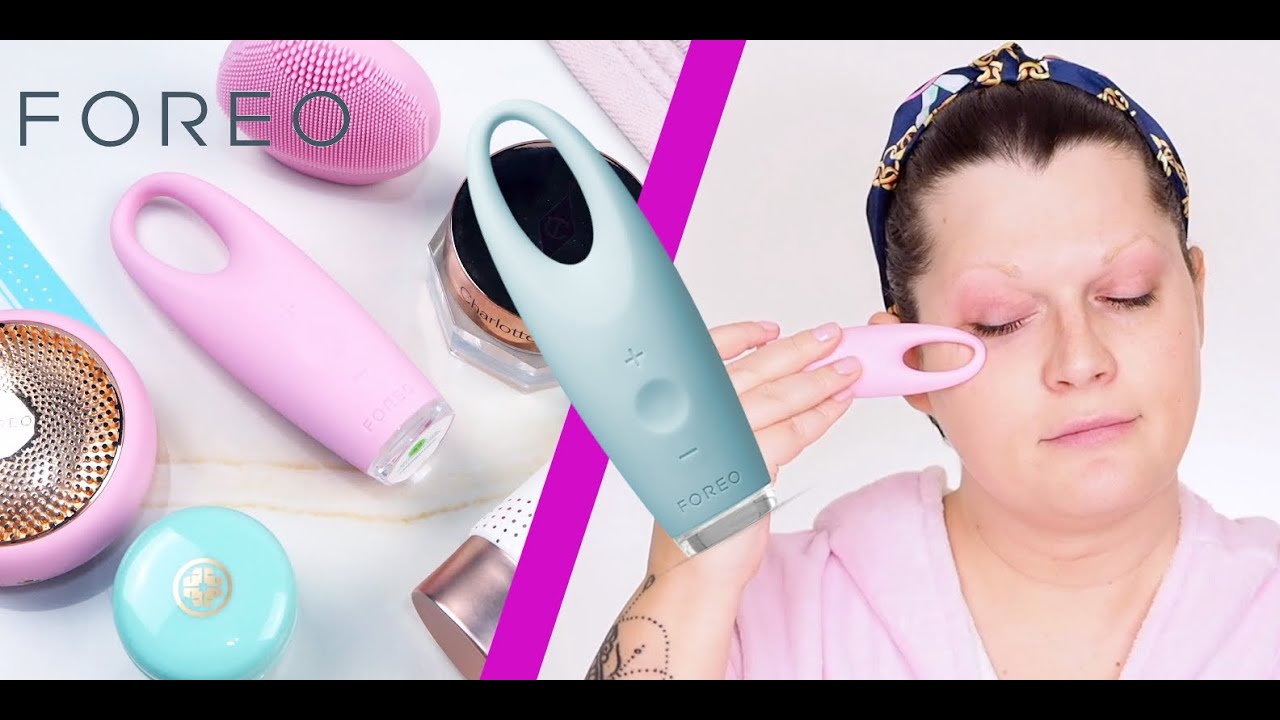
Beauty Device For the Eye Area
If you’re interested in a beauty device for the eye area, you’ve come to the right
place. Dermaplaning is a technique of exfoliation that uses light sonic vibration to
remove buildup on the skin anti aging skin care products. This enables skin care products to penetrate better.
While most beauty devices are aimed at the complexion, dermaplaning is designed
with the eye area in mind. It aims to minimize fine lines and wrinkles around the eye
area while helping them appear less dark.
LED therapy
LED therapy for beauty can have many benefits. It can treat a number of skin
conditions, including acne and psoriasis. The American Academy of Dermatology
recommends several sessions to achieve maximum results https://beautyfoomall.com/collections/skin-care. It is important to note
that the results will not be immediately visible and that people may need follow-up
sessions to maintain their results. LED therapy is not recommended for use on large
areas of skin. It is best used for specific problems.
Ultrasonic skin scrubber
If you are looking for a way to gently exfoliate your skin, an ultrasonic skin scrubber
might be just what you’re looking for. This device uses high-frequency sound waves
to cleanse your face, and it is suitable for all skin types, including sensitive ones.
Ultrasonic skin scrubbers are a great way to give your face a deep-cleaning and
make it look beautiful. Regardless of your skin type, you’ll find that you love the
results of using an ultrasonic scrubber.
Lightstim
LightStim is a leading beauty device that has been used by dermatologists and
professionals for over 20 years. This patented technology is FDA-cleared and is
designed and manufactured in its Irvine, California facility. The device is used by
top-tier medical doctors, beauty industry executives, and professional athletes. Read
on to learn more about this device and how it works. It’s available on Amazon and
Sephora. It costs $249.
CELLRETURN LED mask
The Cellreturn LED mask is one of the hottest products on the market right now, with
its innovative technology and celebrity endorsements. The LED mask works by
delivering professional-like results to the skin at home, and the company claims that
it will reduce the signs of aging and improve skin elasticity. It even reduces scar
tissue and pigmentation. It also claims to soothe irritated skin. The CELLRETURN LED
mask beauty device costs $2,600 SGD.
AgeLOC Boost
The ageLOC Boost beauty device is a new anti-aging skincare treatment that targets
the signs of aging. It uses microcurrent therapy to trigger tissue repair, which
stimulates the production of collagen and elastin. This results in a more youthful
complexion. It is also painless and easy to use. Its results are noticeable over time.
Users can expect a reduction in dark spots, a brighter complexion, and improved
skin hydration.






 The “hub and spoke” model is not a new concept, it has been used for many years in the real estate sector. Put simply, a business has its headquarters, which will serve as the hub of the business, along with offices geographically distributed around that headquarters, based on the talents and needs of customers. The hub is usually located in the city center, with excellent access to public transport, and functions as the company’s cultural center.
 How do flexible offices come into play?
 Return-to-office conditions are still uncertain for many countries around the world that are still in lockdown or have curfews in place. While we continue to work from home, coworking space providers have a unique opportunity to ensure that when we return their spaces will be secure in the face of the pandemic but that they will also be adapted to a new way of working. work. While there are many improvements to be made, the most important is the technology which has been at the heart of changes in the world of work since the onset of the health crisis. Through this article we take a look at what providers have implemented so far and what we will likely see when we return to the office.
 Well-being and health: a priority for providers